BLOG
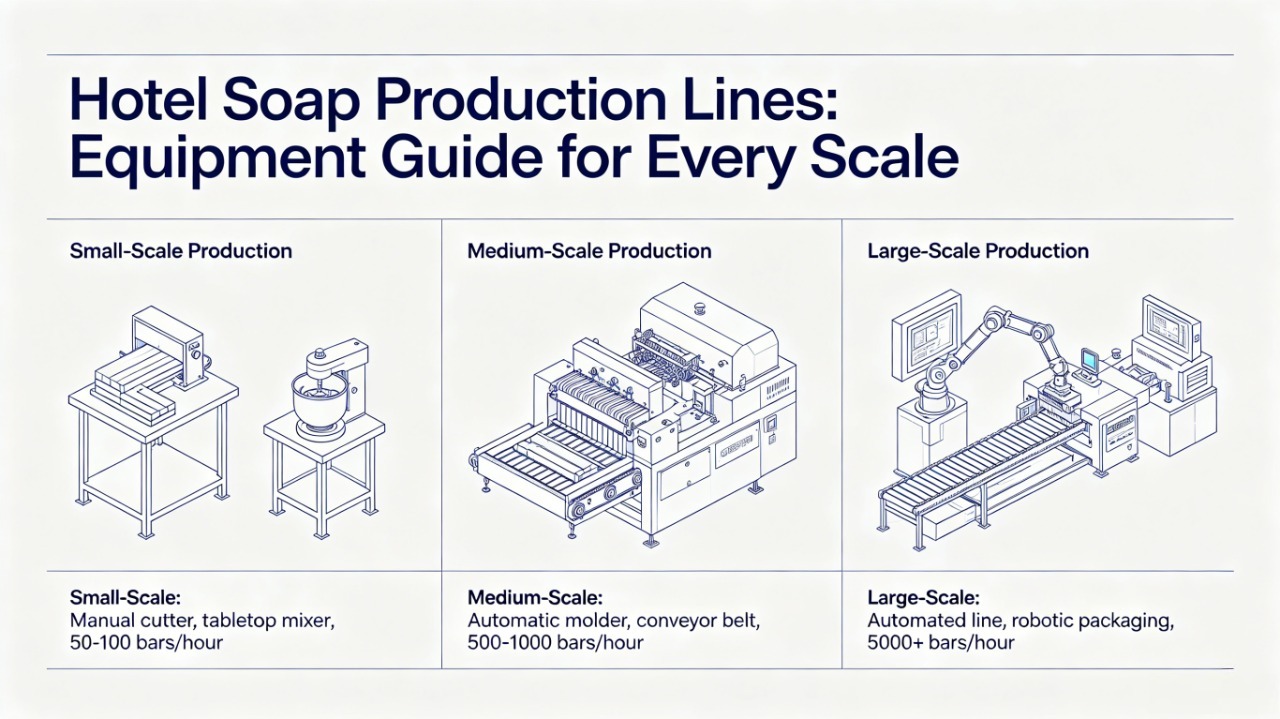
Hotel Soap Production Lines: Equipment Guide for Every Scale
Configure a hotel soap production line from 50 kg/hr to 2,000 kg/hr. Compare equipment specs, costs, and ROI.

Configure a hotel soap production line from 50 kg/hr to 2,000 kg/hr. Compare equipment specs, costs, and ROI.
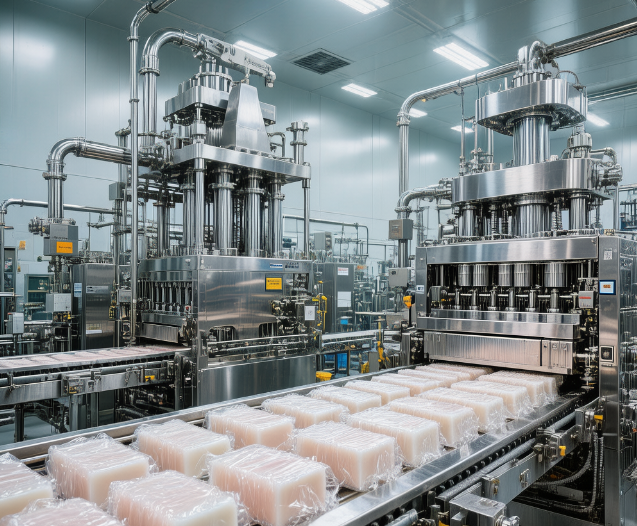
The global soap production line market reached USD 50.9 billion in 2025 and is projected to hit USD 88.05 billion by 2035 (5.6% CAGR), but the headline number conceals a more interesting story. Automation equipment demand is growing at 11% — nearly double the overall market rate — while simultaneously, the artisanal soap segment is expanding at 6.64% CAGR, driven by consumer demand for natural, chemical-free formulations. Sustainable manufacturing equipment is becoming a separate market category altogether, valued at USD 253.5 billion in 2026. These three vectors are not contradictory; they represent the stratification of a maturing industry where scale, specificity, and sustainability coexist as distinct competitive arenas.
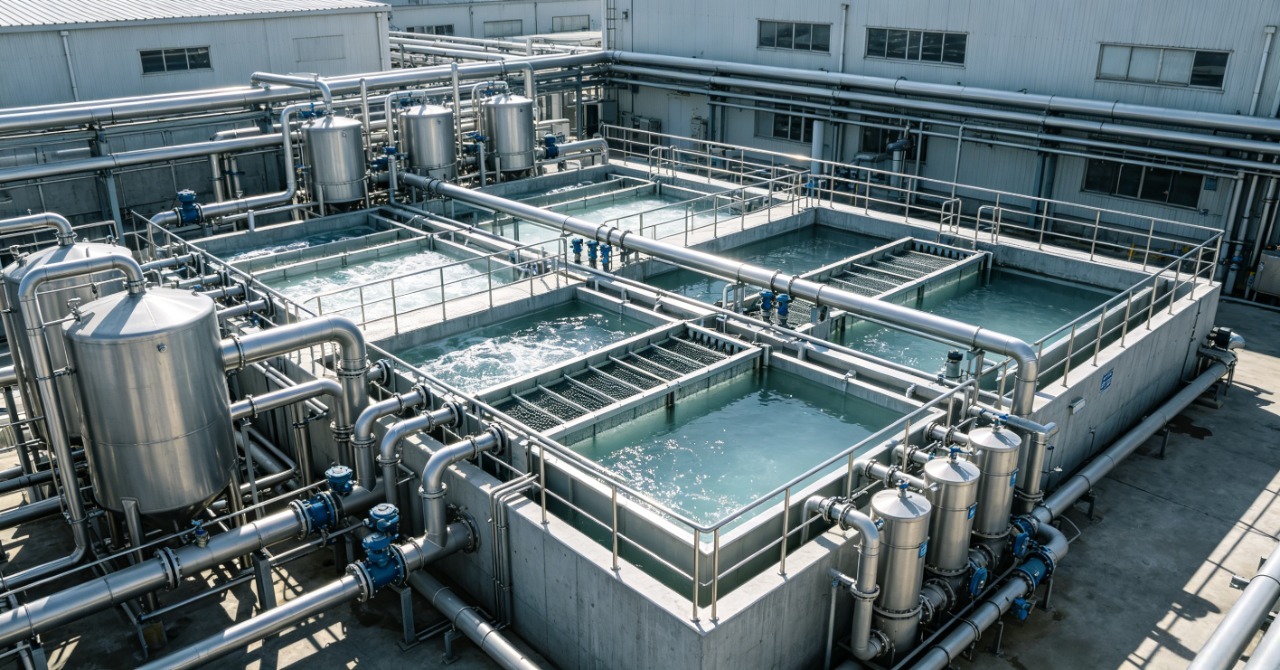
Cut compliance costs and protect your license to operate with the right wastewater treatment system for soap manufacturing.

While mature markets in Europe and North America continue to drive soap equipment upgrades through regulatory compliance and automation ROI, the next growth frontier sits elsewhere. Sub-Saharan Africa, the Middle East, and Southeast Asia are collectively generating an accelerating wave of greenfield facility investments, capacity expansions, and halal-certification-driven equipment upgrades. With Africa’s soap and detergent market projected to reach USD 57.2 billion by 2035, the halal soap segment growing at 7.4% CAGR toward USD 5.0 billion by 2035, and Southeast Asia’s Muslim consumer base driving premium format demand, equipment suppliers who position for these markets today are building the relationships that will define their order books for the next decade.
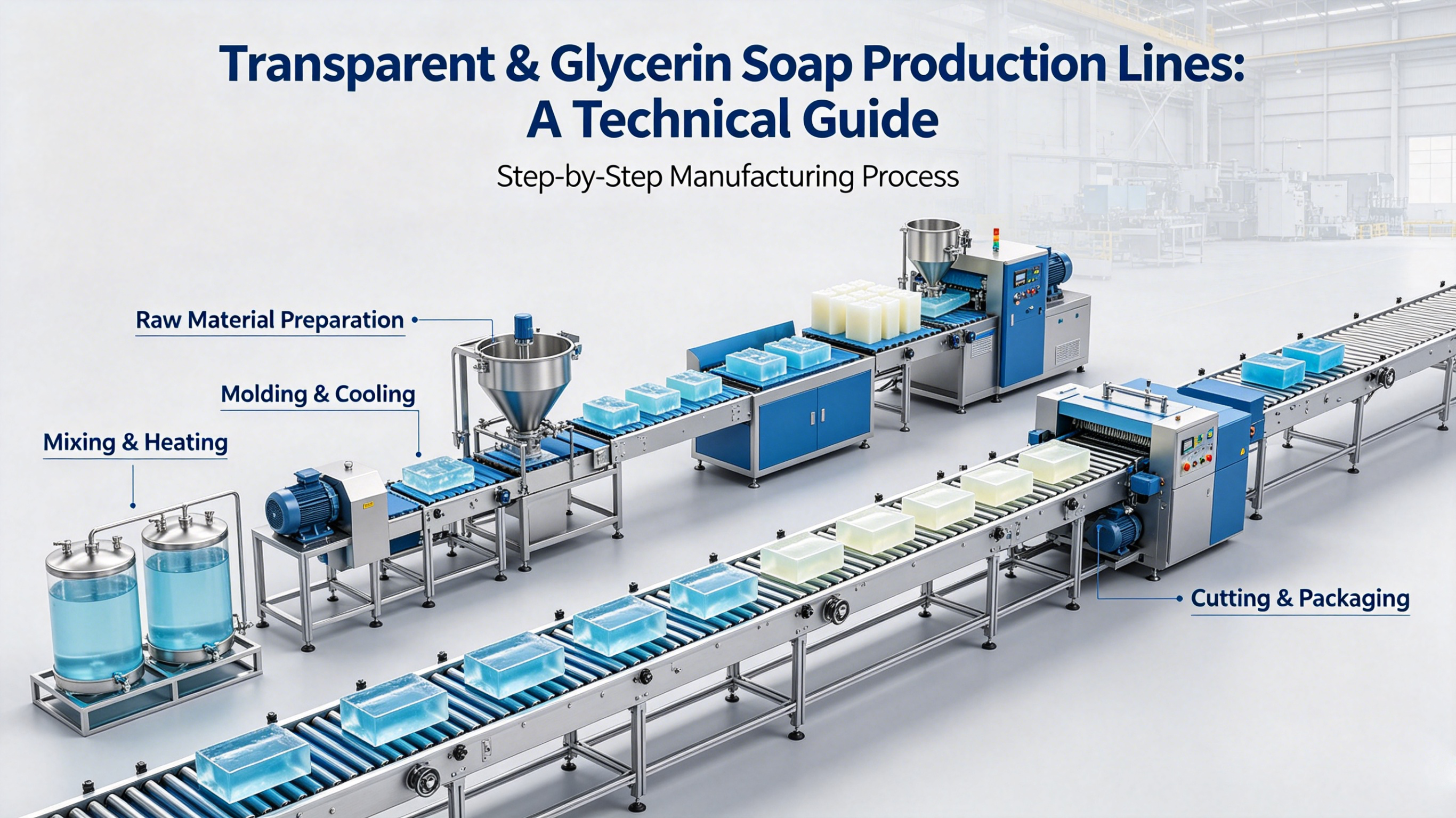
Explore equipment configurations, process parameters, and ROI models for transparent and glycerin soap manufacturing at any scale.
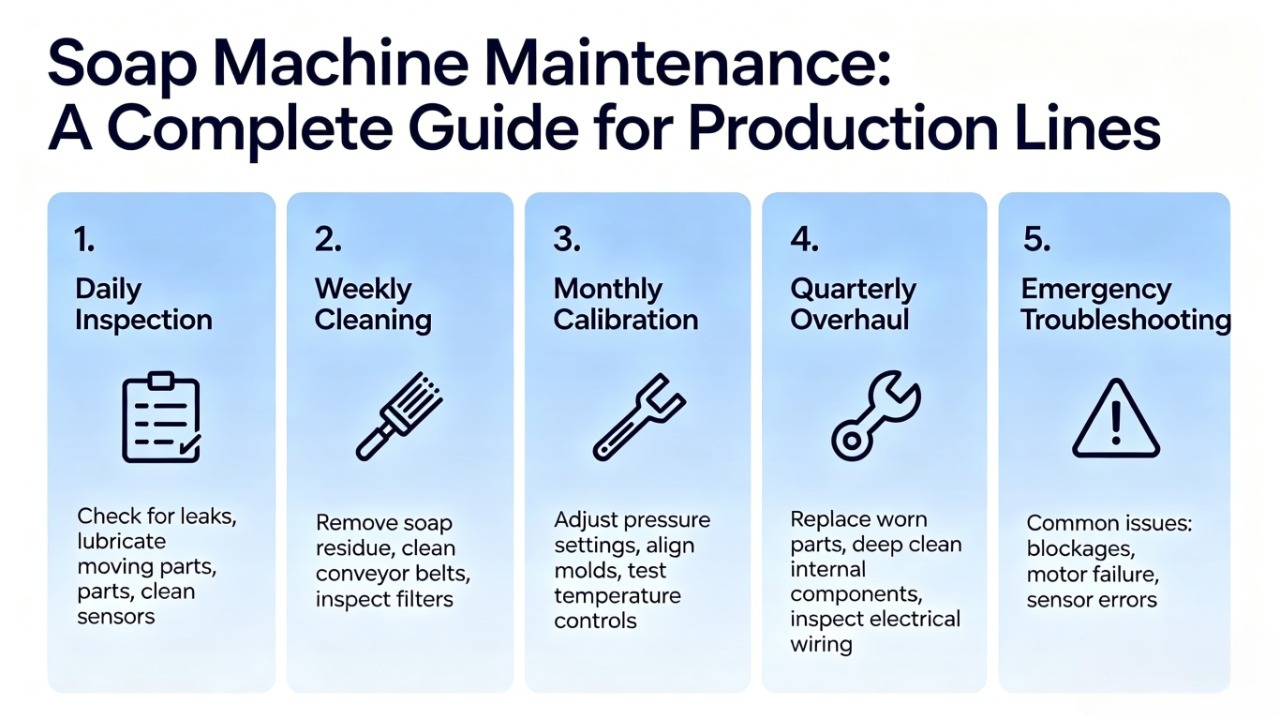
Keep your soap production line running at peak efficiency with this practical maintenance guide covering scheduling, key components, and cost savings.
The global soap equipment manufacturing sector continues to demonstrate robust growth momentum in Q2 2026, driven by three concurrent forces: accelerating automation adoption, shifting regional demand patterns, and tightening sustainability compliance requirements. This weekly analysis synthesizes the latest market data from Accio, Business Research Insights, Made-in-China, and IMARC Group to provide actionable intelligence for equipment manufacturers, production managers, and investment decision-makers.
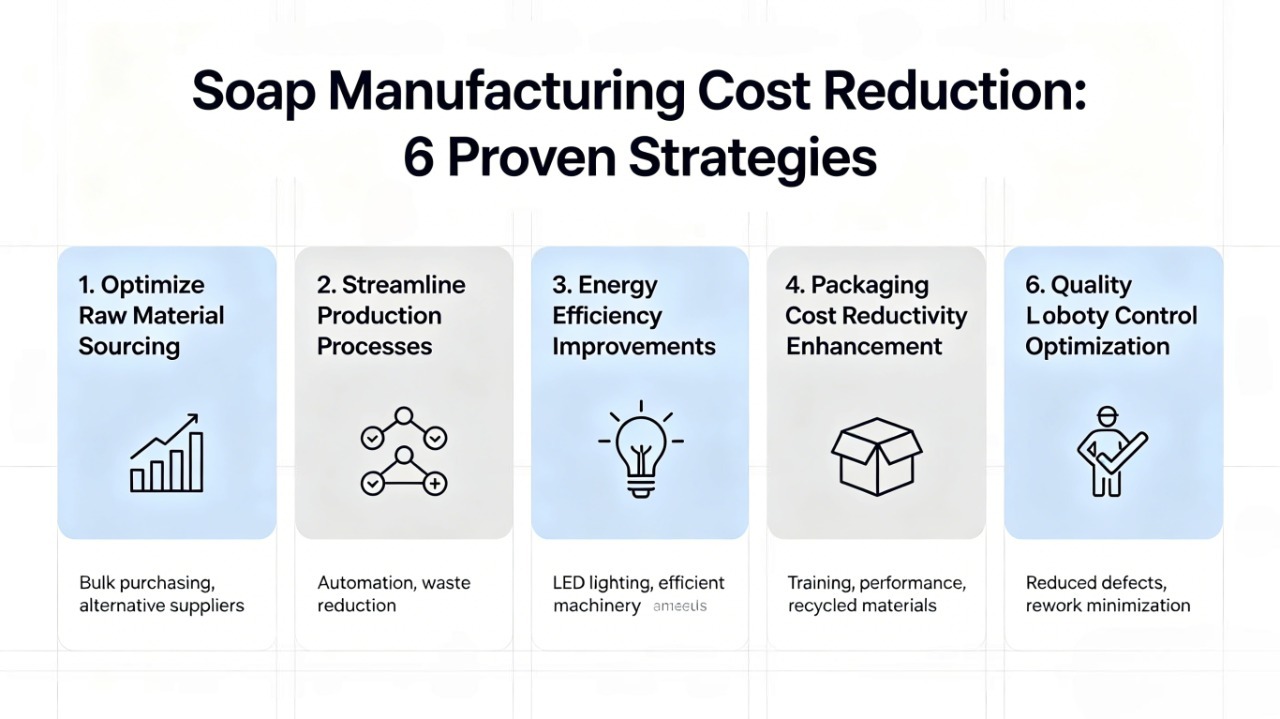
Cut soap production costs by up to 30% with these proven strategies—energy optimization, raw material efficiency, and smart automation.
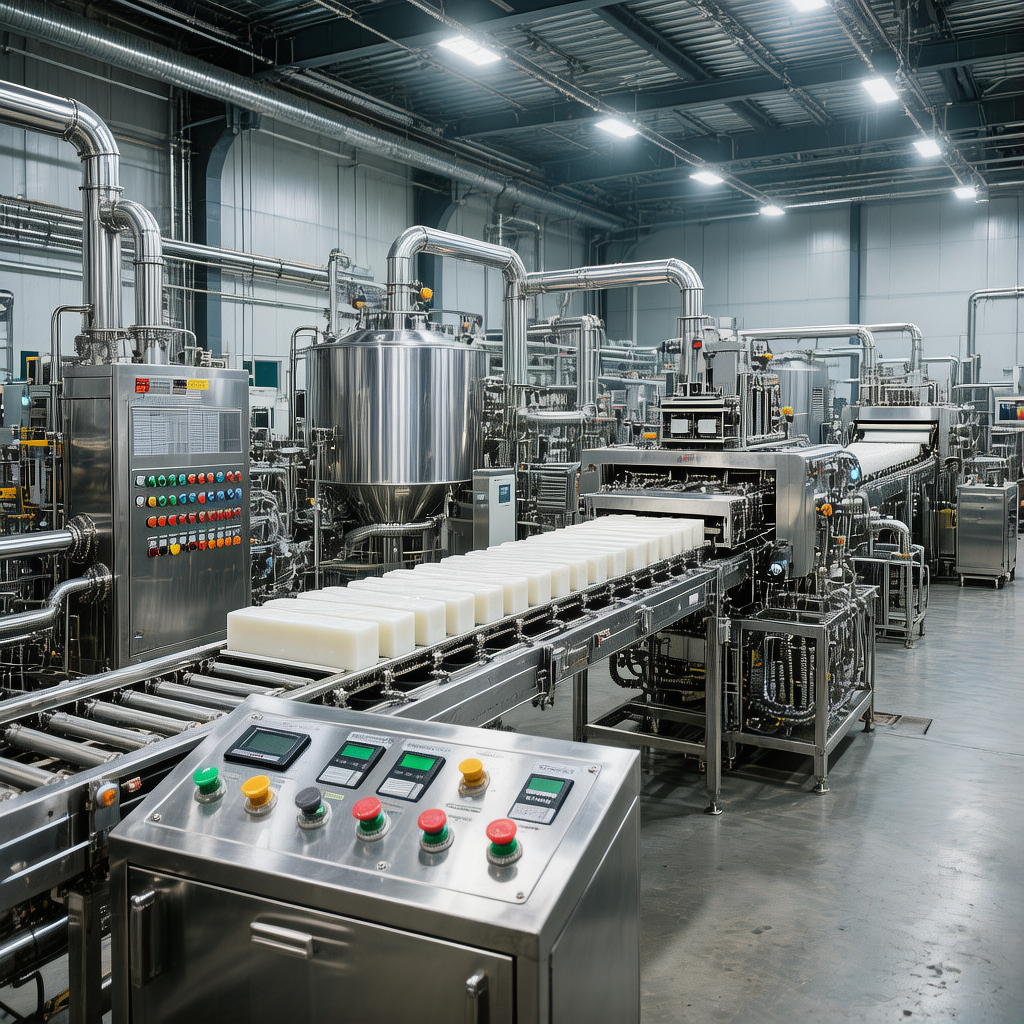
As the global soap and detergent market accelerates toward USD 252.9 billion by 2035 (6.5% CAGR), soap equipment manufacturers face a dual imperative: adopt AI-driven smart manufacturing to stay competitive, while simultaneously meeting growing demand from Southeast Asia, the Middle East, and Africa for affordable, modular, and highly automated production lines. The era of “optional automation” is over — in 2026, intelligent factory integration has become the baseline qualification for serious equipment suppliers.
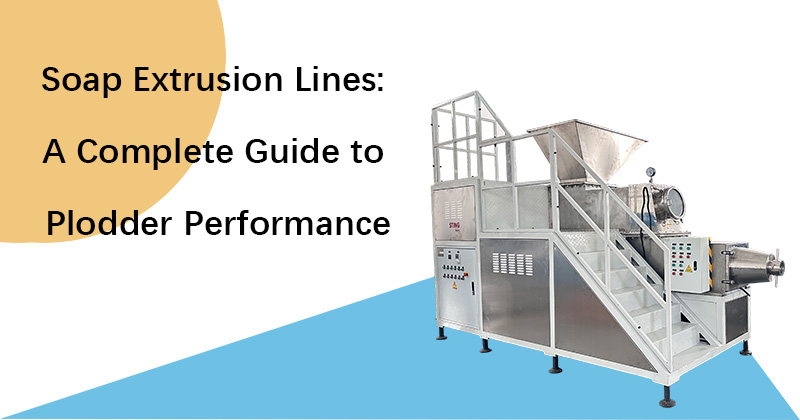
Understand how soap plodders and extrusion lines work, what specs to compare, and how to size the right system for your output.